
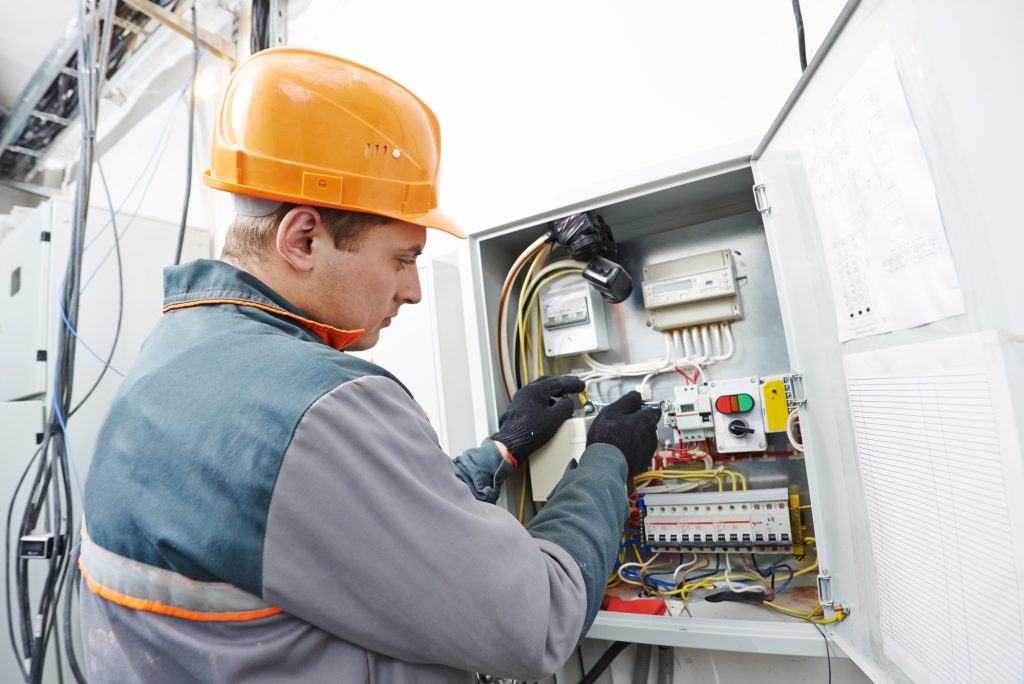
When it comes to choosing the right electrician for the job, it really depends on what the job is. Many electricians specialise in a certain market and your everyday electrician isn’t necessarily trained to work in an industrial or commercial setting. Here’s a quick guide to the main different types of electricians for any eventuality or electrical emergency.
Robycs Technology connects businesses with experienced industrial electricians who deliver reliable, high-quality electrical solutions across manufacturing sites, workshops, maintenance facilities, and commercial environments. Every project is matched with specialists who have the skills required to minimise downtime and meet site-specific requirements.
Industrial Electricians
Manufacturing and industrial facilities rely on electricians with specialist experience in motor control cabinets, machinery integration, and complex electrical systems. Robycs Technology links businesses with qualified industrial electricians who understand the demands of production environments and deliver compliant, dependable outcomes.
Industrial electricians work to create sophisticated systems, which often incorporate supervisory and control components, and install extensive electrical systems into factories and other industrial facilities. Industrial electricians are responsible for troubleshooting and repairing electrical and mechanical systems within a plant or factory.
General tasks include:
- Testing & maintaining complex machines and automation controls.
- PLC Programming and Diagrams
- Safety control circuits.
- Electrical schematics.
- Power distribution.
- Network overview and maintenance.
Residential Electricians
Residential Electricians can be considered to be your everyday go to. As the name suggests, this type of electrician specialises in electrical systems within your home.
Residential Electricians generally work on:
- General household lighting.
- Maintenance of household appliances and heating/cooling systems.
- lighting upgrades during home renovations
- Extractor fans and cooking systems.
- Switchboard installation & maintenance.
- General wiring and household electrical safety.
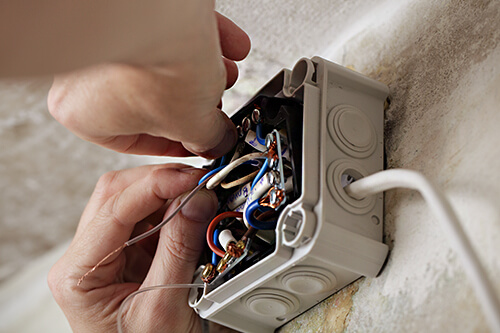
Commercial Electricians
Commercial electricians work primarily in the business sector, catering to stores, restaurants and offices. In this field, electricians need to ensure that all wiring and electrical components operate safely and efficiently and within industry standards.
Commercial electricians have a broad customer range, as there are so many commercial applications.
Common tasks include:
- Installing electrical equipment and systems.
- Maintaining and repairing heating & cooling systems.
- Setting up & maintaining security alarm systems.
- Installing lighting.
- Designing Blueprints.
Emergency Electricians
An emergency electrician is a specialized service provider, with diverse training that allows them to offer fast, reliable service for any electrical emergency. Emergency electricians offer quick response and expert service for a wide range of electrical issues.
Electrical emergencies can be quite dangerous, so it’s important to have a good emergency electrician on call.
Common electrical emergencies include:
- Blown out fuses.
- Defective wiring.
- Faulty lights.
- Power surges.
- Partial or full loss of power.
Emergency electricians can assist with all of the above, as well as:
- Exposed wiring & cabling.
- Storm or water damage.
- Electrical faults.
- Switchboard issues
- Safety hazards.
Level 2 Electricians
Level 2 Electricians are Accredited Service Providers (ASP) that are authorised to work on electrical service networks. These highly specialised electricians undergo rigorous training to ensure that they are properly accredited.
Level 2 Electricians handle metering equipment and live wire connections in accordance with Australian wiring rules.
Appliance Electricians
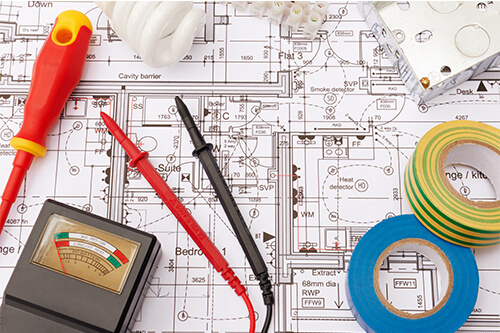
Appliances are the major consumer of energy in your household. An appliance electrician is a tradesperson who works with electrical appliances, such as refrigerators. There are four main areas where these professionals can be found: refrigerators/freezers, dishwashers, microwaves, ovens/stoves. Appliance electricians are licensed as they repair equipment that is connected to your home’s electrical system. Modern appliances that suddenly stop working are often because of blown fuses or problems with the circuit breaker. Basic appliance failures and breakdowns, like broken ovens, are a common repair task for an appliance electrician.
Robycs Technology – Industrical Electrical Expertise That Delivers Results
Robycs Technology supports Australian manufacturing and industrial businesses by connecting them with experienced industrial electrical specialists and advanced automation expertise. With a strong background in industrial systems and decades of industry involvement, Robycs helps businesses improve reliability, efficiency and operational performance.
Rather than a one-size-fits-all approach, Robycs Technology brings together electrical, engineering, and automation capabilities to support complex industrial environments across Sydney and surrounding regions. Every engagement is focused on quality, safety, and system performance, particularly where downtime and compliance risks matter most.
Robycs Technology also supports advanced electrical and automation systems, including PLC programming, HMI configuration and SCADA integration, ensuring industrial facilities are matched with the right technical expertise.
The goal is simple: help industrial and manufacturing businesses reduce inefficiencies, control costs and improve productivity through reliable, well-engineered electrical solutions.
To discuss your industrial electrical requirements or ongoing system support, contact Robycs Technology to be connected with the right expertise for your facility.